
If you’ve been researching ecommerce lately, you’ve probably noticed something confusing.
On one hand, people are saying Amazon is “too competitive,” “too strict,” or “past its prime.”
On the other hand, Amazon keeps posting record-breaking revenue, expanding globally, and investing billions into technology.
After more than ten years of training Amazon sellers and managing over $40 million in Amazon sales, we can tell you this with confidence:
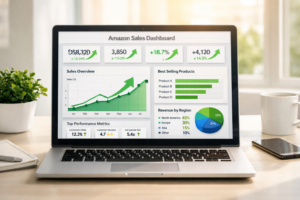 Amazon isn’t shrinking. It’s maturing.
And that distinction matters.
Because when a marketplace matures, it doesn’t eliminate opportunity.
It filters it.
That’s exactly why 2026 is shaping up to be one of the most promising years we’ve ever seen for third-party sellers, especially those who approach ecommerce like a real business.
Below are 26 predictions for 2026, focused on Amazon improvements, marketplace growth, new selling opportunities, and broader ecommerce tailwinds that should give new sellers confidence, not fear.
Prediction #1: Amazon’s Seller Technology Will Continue Getting Easier to Use
Amazon is investing heavily in simplifying seller tools.
That means clearer dashboards, better alerts, and fewer “mystery problems” that leave sellers guessing.
Obstacle new sellers fear: “I don’t want to break something I don’t understand.”
Solution: Amazon’s systems are becoming more guided and transparent. Following basic best practices goes further every year.
Prediction #2: The Amazon Marketplace Will Keep Growing in Total Buyer Demand
Amazon isn’t just adding sellers. It’s adding buyers.
More households are choosing Amazon first for everyday purchases, not just big-ticket items.
That creates a powerful advantage:
You don’t need to create demand. You find these opportunities and fill the demand.
Prediction #3: Trust Will Matter More Than Hype
In 2026, customers are more cautious than ever.
They trust familiar brands, reliable delivery, and consistent experiences.
This benefits sellers who focus on existing products and long-term reliability instead of chasing trends.
Prediction #4: Smaller Categories Will Quietly Outperform “Crowded” Ones
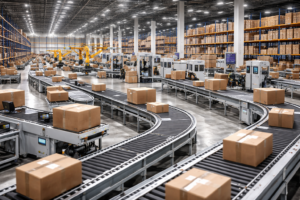 While everyone fights over flashy categories, many smaller and less exciting product categories will continue producing steady sales.
These markets aren’t viral, but they are dependable. That’s often where long-term sellers build real income.
The riches are in the niches in our experience.
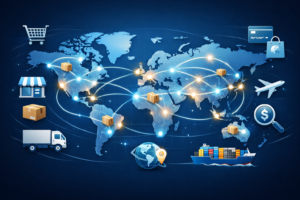
Prediction #5: Amazon Will Continue Expanding into New Regions and Buyer Segments
Amazon’s international expansion isn’t slowing down.
More regions, more localized fulfillment, and better cross-border tools mean sellers gain optional growth paths over time.
You don’t need to start globally. But knowing the runway exists is a big deal.
Prediction #6: Fulfillment Speed Will Keep Improving
Fast delivery is no longer a luxury. It’s expected.
Amazon continues investing in logistics, delivery networks, and fulfillment efficiency, which allows small sellers to compete with massive brands.
You don’t need your own warehouse to deliver a professional experience.
FBA makes continental fulfillment automated for all of us.
Prediction #7: Inventory Planning Will Become Easier for New Sellers
Better forecasting tools and clearer sales data will reduce guesswork.
This helps sellers avoid two common beginner mistakes:
- Ordering too much inventory
- Running out too often
Better tools mean calmer decision-making.
The Inventory Age tab is one of the best improvements for sellers.
Prediction #8: Seller Education Will Improve (And Bad Advice Will Fade)
As ecommerce matures, low-quality advice loses power.
More sellers are realizing that random tactics don’t build stable businesses.
In 2026, clear systems and proven methods will stand out more than hype-driven shortcuts and selling models.
Prediction #9: Brands Will Actively Look for Reliable Third-Party Sellers
 Many brands don’t want to manage ecommerce themselves.
They want partners who can represent them well online.
This opens doors for sellers who prioritize professionalism, communication, and consistency.
Prediction #10: Automation Will Reduce Daily Workload for Sellers
Reordering, pricing, performance monitoring, and alerts are becoming much easier to automate.
This makes ecommerce more realistic for people with full-time jobs or limited hours.
The goal is not constant hustle. It’s consistency.
Prediction #11: Customer Experience Will Quietly Become a Competitive Advantage
Amazon increasingly rewards sellers who create fewer problems:
- Accurate listings
- On-time delivery
- Fewer returns
These aren’t advanced tactics. They’re fundamentals. And they matter more each year.
Prediction #12: More Sellers Will Build Towards “Boring” but Profitable Businesses
In 2026, the sellers who win won’t necessarily have the flashiest stories.
They’ll have:
- Predictable sales
- Repeat customers
- Manageable operations
That kind of business isn’t exciting to talk about online.
But it’s incredibly powerful in real life.
Prediction #13: Ecommerce Will Continue Replacing Physical Retail
Despite headlines, physical retail continues to shrink in many categories.
Consumers value convenience, selection, and speed.
That shift isn’t reversing.
It’s accelerating.
Prediction #14: Data Transparency Will Improve Seller Confidence
 Better data means fewer emotional decisions or relying on intuition.
When sellers understand what’s selling and why, confidence replaces anxiety.
This lowers risk and improves long-term outcomes.
Prediction #15: Fewer Sellers Will Control a Larger Share of Sales
As casual sellers exit, committed sellers gain more equity.
That’s how mature marketplaces behave.
Less noise creates more opportunity for those who choose to stay.
Prediction #16: Sellers Will Value Stability Over “Big Wins”
The get-rich-quick mindset is fading.
In 2026, more sellers will prioritize stable monthly growth over risky home runs.
That’s healthier and more sustainable for all of us in the Buy Box.
Prediction #17: AI Will Support Sellers Without Replacing Them
Artificial intelligence will assist with tasks like organization, forecasting, and optimization.
But judgment, relationships, and decision-making remain human.
Technology becomes a helper, not a threat.
Prediction #18: Product Research Will Become Even More Accurate
As tools improve, sellers can validate ideas faster and avoid costly mistakes.
This lowers the barrier to entry for thoughtful beginners.
We recommend tools like SmartScout’s free trial version risk-free.
Prediction #19: Repeat Purchasing Will Drive More Ecommerce Revenue
 More products are being bought repeatedly online.
This creates predictable demand cycles sellers can plan around.
Predictability equals peace of mind when you can rely on growing Subscribe and Save revenue.
Prediction #20: Sellers Will Build Skills That Transfer Beyond Amazon
Learning ecommerce teaches:
- Inventory management
- Supplier communication
- Cash flow planning
These skills apply far beyond one platform.
Many sellers are extending their offers using Multi-Channel Fulfillment Software and other tools.
Prediction #21: Platforms Will Reward Consistency More Than Volume
Steady sellers who show up month after month will increasingly be favored.
Amazon is always marching towards stability via programs enforcing certain prices like Subscribe and Save
Prediction #22: Customer Expectations Will Become Clearer (Not Harder)
As ecommerce norms stabilize, customers know what to expect.
Clear expectations reduce complaints and misunderstandings.
Expanding Value Props like A+ Content and Branded Storefronts help remove confusion.
Prediction #23: New Sellers Will Succeed Faster with Proven Models
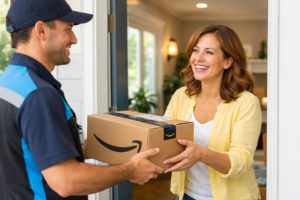 2026 beginners won’t need to invent new strategies.
They’ll follow systems that already work and shorten their learning curve.
As technology advances our formulaic processes only get more effective over time!
Prediction #24: Ecommerce Will Become a Common Secondary Income Path
More people are seeking income stability alongside their primary job.
Ecommerce fits that role better than many alternatives because it can scale gradually.
2026 is projected to be an incredible year for Amazon third party sellers.
Prediction #25: Sellers Will Build Real Assets, Not Just Income
Well-run ecommerce businesses have value beyond monthly cash flow.
They can be optimized, expanded, or even sold.
That’s real leverage compared to many other selling models.
Prediction #26: The Best Time to Learn Ecommerce Will Be Before Everyone Feels “Late”
By the time something feels obvious, the biggest advantages are already taken.
Learning now means building quietly while others hesitate.
It’s never too late to consider a side hustle and grow your Amazon business.
The Bottom Line
2026 isn’t the end of ecommerce.
It’s the beginning of a more stable, more professional era.
For sellers willing to learn, follow a proven process, and build something real, the opportunity is still massive.
You don’t need to be perfect.
You don’t need to be early.
You just need to start with the right approach.
Ready to Learn How This Actually Works?
If you want to see how real sellers are building ecommerce businesses step by step, join the waitlist for our next free Wholesale Formula workshop.
👉 Click here to join the waitlist now:
https://www.thewholesaleformula.com/waitlist/
2026 is projected to be the best year by all accounts. What are you waiting for?