
Picture a weekend spent on a brand new idea. A site about indoor plant care, say. You buy the domain on Saturday morning, pick a theme, pay for a month of a keyword tool, and by Sunday night you have five articles live and a logo you’re proud of.
Then you wait. A month later the site has a trickle of visitors and not a single sale, and you still can’t tell whether you did something wrong or picked a topic that was never going to pay.
We’ve seen some version of that weekend more times than we can count. The work was fine. The problem is the order it happened in. Everything got built first, and the market only got asked its opinion at the very end, after the time and money were already spent.
You can flip that order. Before you buy anything, you can make a niche prove three things, and you can do it for free in a single evening. If it fails, you’ve lost one evening instead of a month, and if it passes you’re building on real signs of buyers instead of a hunch.
The Three Questions Every Niche Has to Answer
A niche only makes money when all three of these are true at the same time:
- Is anyone looking? Enough people are searching for it.
- Are they ready to spend? The people searching want to buy, not just learn.
- Can you get paid for it? There are products you can earn a decent cut from.
Run them in that order and stop at the first “no.” The order matters, because there’s no point checking commissions on a topic nobody searches for.
This works whatever model you’re leaning toward. If you plan to promote affiliate offers, the third question is about affiliate programs. If you’d rather sell products yourself, it’s about whether there are products you can source and sell at a healthy margin. The first two questions are the same either way.
Question 1: Is Anyone Looking?
The first thing that sinks a niche is an empty room. You want proof that real people are already typing this topic into a search bar.
Here’s the free way to check:
- Start with Google autocomplete. Type your niche and a few related phrases slowly into Google and note what it suggests. Those suggestions come from searches people are actually making.
- Get rough numbers. Put those phrases into a free keyword tool, such as Google Keyword Planner or the handful of free daily searches in Ubersuggest. Keyword Planner costs nothing to use, but Google does ask for billing details when you set up the Ads account, even if you never run an ad.
- Look for a cluster, not one big number. One popular phrase on its own can be misleading. You want several related phrases that each show steady interest.
These aren’t hard rules, but they’re a useful starting point. The broad niche should show a few thousand searches a month across its main terms. Underneath that, you want a handful of more specific phrases pulling somewhere between 300 and 3,000 searches a month each. A niche with pricey products can get away with less volume, because each sale is worth more.
It’s a “no” if the main terms barely add up to a couple of hundred searches a month and the specific phrases barely register. A niche that quiet is hard to make money in, however much you like it.

Question 2: Are They Ready to Spend?
This is the question most beginners skip, and it’s the one that decides whether the niche pays.
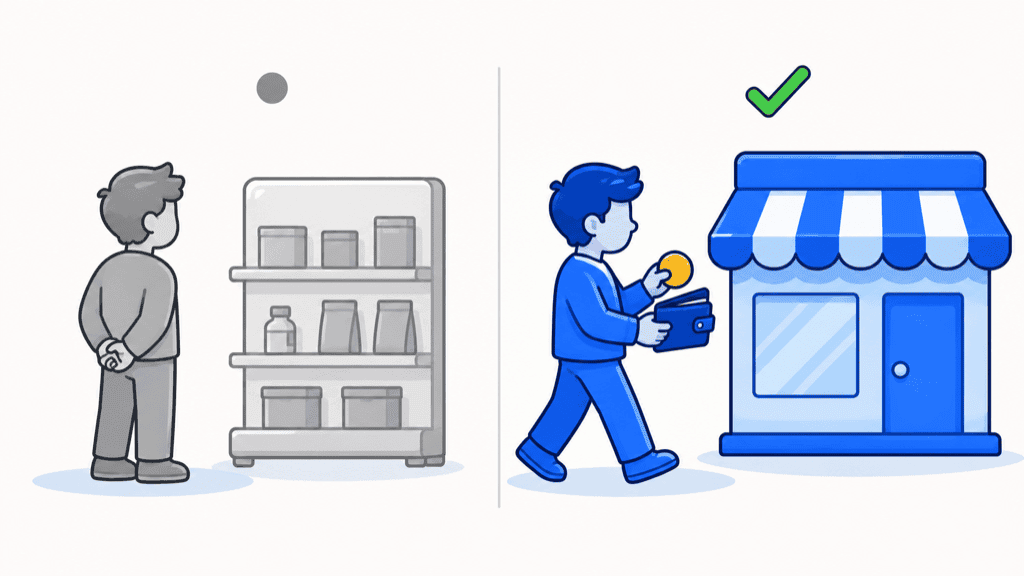
Lots of people searching is not the same as lots of people buying. Some topics pull huge crowds who only want free information and have no plans to spend a dime. You want a niche where at least some of that crowd is shopping.
The searches themselves give you the clue:
- Shopping words: best, review, vs, top, price, “worth it.” These come from people comparing options before they buy.
- Learning words: how to, why, what is, free, ideas. These come from people who want an answer and nothing more today.
Then search your main phrases and look at what fills the first page:
- Buying guides, “best of” lists, product comparisons, and shopping results? Good sign. Sites keep publishing those pages because they tend to make money.
- Forums, free tutorials, and news articles, with no shopping pages anywhere? That’s the market telling you people come here to learn, not to buy.
It’s a “no” if almost every search is a learning search and the results are wall-to-wall free content. The crowd is real, but it isn’t carrying a wallet.
Question 3: Can You Get Paid for It?
People sometimes assume this one will be fine and don’t check it. Then they find out the only things to promote are cheap one-off products that pay pennies.
So go looking for the actual money:
- Check the big affiliate networks you already have access to, and search for your niche’s main product types.
- Look up the main brands in the niche and see whether they run their own affiliate programs. Searching the brand name plus “affiliate program” usually answers it fast.
- Note the payout. Write down the commission rate and a typical order value so you can do the quick math.
- If you’re selling products yourself, check what the popular items sell for and whether there’s room for a margin after costs and fees.
A niche full of $10 products paying 4% earns you 40 cents a sale, and you’d need a mountain of traffic to make that worth your time. A niche with $150 products paying 8%, or a subscription that pays you every month the customer stays, is a completely different business with the same amount of work.
It’s a “no” if there’s nothing to promote, or the payout per sale is so small that you’d need huge traffic to make it worthwhile.
Running One Idea Through All Three
Let’s take a single idea from start to finish: home gym equipment for people working out in a garage or spare room.
Is anyone looking? Autocomplete fills up with phrases like “home gym setup,” “adjustable dumbbells,” and “garage gym flooring.” The keyword tool shows steady volume across a whole cluster of them. That’s a yes.
Are they ready to spend? The first page for “adjustable dumbbells” is packed with reviews, “best of” roundups, and shopping results. People are clearly comparing before they buy. Another yes.
Can you get paid for it? Several well-known fitness brands run affiliate programs, and the products aren’t cheap. A single rack or a set of dumbbells can run into hundreds of dollars, so even a modest commission adds up. A $300 rack at a 5% commission, for example, pays you $15 a sale, compared with 40 cents on that $10 product. That’s three for three, so it’s worth a real try. (Program terms change, so always check the current rates yourself.)
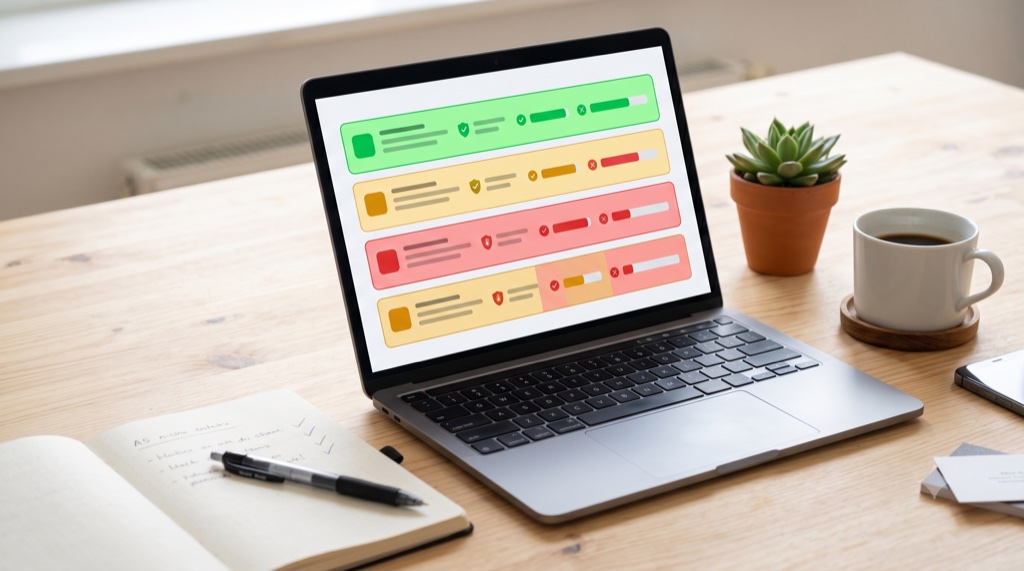
Now compare two ideas that fail. “Free stretching routines” gets tons of searches, but almost all of them are learning searches with nothing to sell against, so it stops at question two. Novelty phone stickers might pass the first two questions, but the products cost a couple of dollars and the commissions are tiny, so it stops at question three. Both would have looked fine if you’d judged them on excitement alone.
Do This Before You Go to Bed Tonight
Pick the niche idea you keep coming back to, the one you’ve been tempted to start.
Give it question one only:
- Type it into Google and write down the autocomplete suggestions.
- Put three of those phrases into a free keyword tool and note the monthly searches.
You’ll know whether anyone’s looking before you spend a dollar or another weekend on it. If it passes, run questions two and three tomorrow.
“But What If…”
“What if my idea is so specific it barely shows up in the tools?”
That’s question one giving you an honest answer. Step back one level to the broader topic and test that instead. If the broader topic passes, you can carve out your specific angle inside it.
“What if there’s already a lot of competition?”
That’s usually a good sign. Competitors stick around where there’s money, so a crowded niche has already passed a test that matters. Your job is to find a sharper, more specific corner of it, not an empty field.
“What if it passes all three and I’m still nervous?”
Most people are, and the test was never going to remove every doubt. It tells you there are searchers, buyers, and offers before you spend anything. Whether you can win your share of that traffic, and how well it converts, only gets answered by building.
Most people find out whether a niche pays the expensive way. They build first and wait for their bank balance to give the verdict weeks later.
You can get a pretty good answer in one evening, for free, before any of it is on the line. Make the niche prove it can pay before you ask it to pay you.
Talk soon,
The Wholesale Formula team